Read also: Great Fire of London in 1666: how did it start and what stopped it? ↗
Read also: How did the French Revolution begin? Causes and the events of 1789 ↗
Britain remembers an attack that never happened
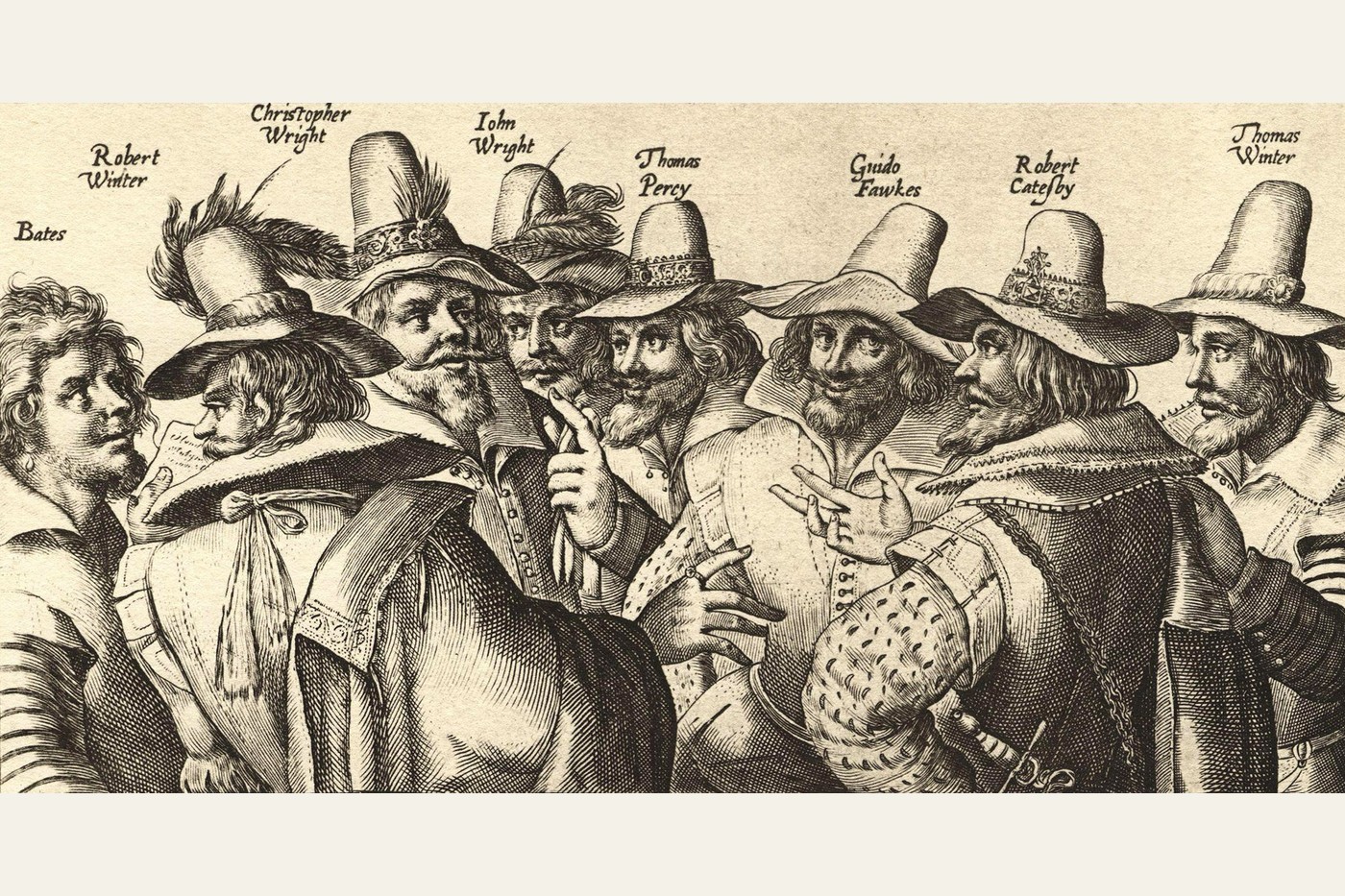
Bonfire Night marks the failure of a plan to destroy the House of Lords during the opening of Parliament in 1605. James I of England, also James VI of Scotland, was expected to attend. Guy Fawkes was found near the gunpowder in a space beneath the chamber and arrested before the conspirators could carry out their plan. His name has become synonymous with the date, but he was neither the plot's only participant nor its leader. The celebrations that followed marked the king's survival and the failure of the attack.
Why were the plotters discontented?
James inherited the English throne in 1603 after Elizabeth I. Some English Catholics hoped he would ease restrictions and penalties for failing to attend official religious services. The changes they expected did not materialise. A small group turned to violence in a period when religious affiliation, political loyalty and state security overlapped. That decision did not make the conspirators spokesmen for all Catholics. Keeping the distinction in view helps explain how the exposure of the plot fuelled wider suspicion of people who had played no part in it.
Who led the Gunpowder Plot?
Robert Catesby was the principal organiser. Fawkes, who had military experience on the European continent, was trusted with guarding the gunpowder and carrying out his part of the attack. The conspiracy extended beyond killing the king and those assembled at Westminster. The plotters meant to exploit the resulting disorder to encourage a rising and bring James's young daughter Elizabeth under their control as a figurehead. Fawkes became the most recognisable name because he was caught at the scene. That accident of discovery can obscure the ambition and organisation behind the plan.
How an anonymous letter prompted a search
In October, Lord Monteagle received an anonymous letter advising him to stay away from the opening of Parliament. The warning reached the authorities. Searches at Westminster on the night of 4 to 5 November uncovered Fawkes and the gunpowder. The ceremony was chosen because it would bring the monarch, peers and other leading political figures into the same place. We know the letter played a part in the discovery, but its author has never been identified conclusively. The well documented sequence of warning and search does not settle the separate question of who wrote it.
What happened after the arrest?
Fawkes initially called himself John Johnson. He was taken to the Tower of London for questioning and subjected to torture authorised by the king. Catesby was killed in a confrontation during the pursuit of the plotters, while others were captured. Fawkes and the other defendants at his trial were convicted of high treason and executed in January 1606. The anniversary marks the discovery of the plot, not his death. Statements extracted during questioning are historical evidence, but the coercive circumstances under which they were made matter when considering what they can tell us.
How the thanksgiving became Bonfire Night
Public celebration followed news that the king had survived. Parliament established an annual thanksgiving on 5 November, including a religious service. Over time, bonfires, fireworks and, in many places, effigies known as guys became familiar features. The statutory observance was repealed in 1859, yet communities continued to mark the date. This is an example of a custom outlasting the law that formalised it: a compulsory act of remembrance could end without taking the gathering, the spectacle or the stories that families had come to associate with autumn along with it.
Why celebrations differ from place to place
For centuries the anniversary was used to express anti-Catholic prejudice, a part of its history that festive images can easily conceal. Today, one place may hold a large organised firework display, another a procession with its own local customs. For many families the occasion is chiefly a seasonal outing. The date is not a national public holiday, and events are often scheduled for a nearby weekend rather than the evening of 5 November itself. Local listings and organisers are the best guides to arrangements, especially where weather or safety concerns affect plans.
The ceremony that survives at Westminster
Before the State Opening of Parliament, the Yeomen of the Guard carry out a ceremonial search of the cellars of the Palace of Westminster. The custom preserves a connection to 1605 without suggesting Parliament has stood still since then. Elsewhere, the anniversary endures partly because it has a memorable sequence: a warning letter, a night search and an attack stopped before it began. The historical explanation is richer when that story is placed alongside the religious hostility and struggle for political power that shaped both the conspiracy and its long public afterlife.
Frequently asked questions
What happened on 5 November 1605?
Guy Fawkes was discovered with the gunpowder at Westminster before a planned attack on the opening of Parliament could take place.
Was Guy Fawkes the leader of the plot?
No. Robert Catesby was the principal organiser. Fawkes was entrusted with the gunpowder.
Which king was the target?
James I of England, who was also James VI of Scotland.
Who wrote the letter to Lord Monteagle?
The writer of the anonymous warning has never been conclusively identified.
Why is it called Bonfire Night?
Bonfires became one of the most recognisable customs associated with the annual commemoration.
When did the statutory observance end?
The law requiring observance was repealed in 1859; local celebrations continued.
Is 5 November a public holiday in the UK?
No. Organised displays may take place on a nearby weekend rather than on the date itself.
Is the Westminster search still performed?
Yes. The Yeomen of the Guard carry out a ceremonial search before the State Opening of Parliament.