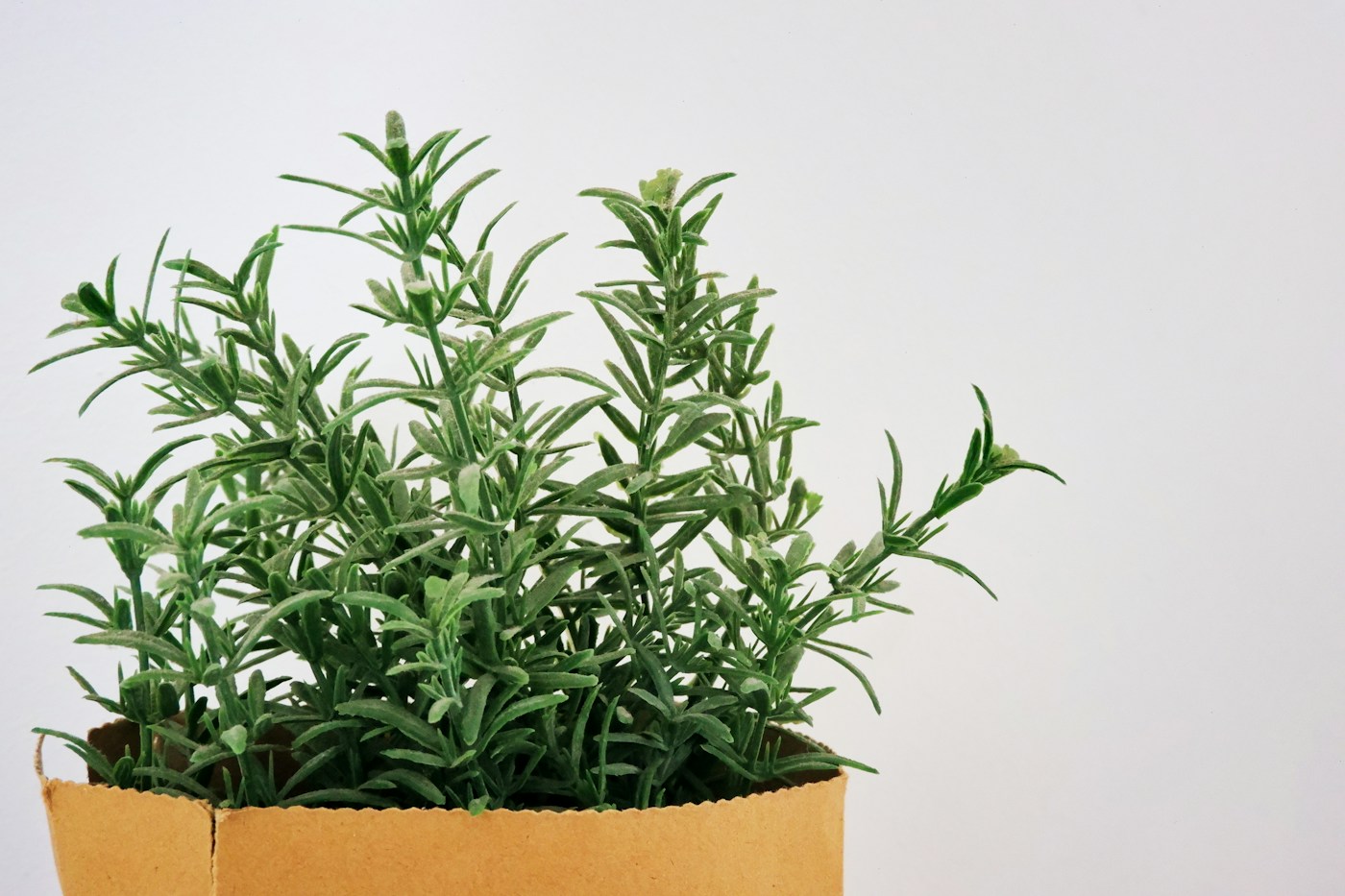
Where does the smell of cut grass come from?
The aroma comes from a mixture of volatile molecules released when plant tissue is cut or damaged. They are often called green leaf volatiles, or GLVs. Because they readily enter the air, they reach our nose shortly after a mower cuts the lawn or a leaf is crushed. The smell does not belong to the metal blade and need not be produced by flowers: it arises from the chemistry of the plant’s green parts.
Which substances are in the mixture?
The family includes aldehydes, alcohols and esters, many with six carbon atoms. The American Chemical Society highlights cis-3-hexenal among compounds associated with grass’s fresh aroma. Hexenals and hexenols contribute to the collection of notes we recognise as green. There is therefore no single universal essence identical in every garden. The mixture and quantity released depend on the tissue, species and conditions in which damage occurs.
Does cutting cause a very rapid chemical response?
Yes. Tissue injury triggers enzymatic processes involving components of cell membranes. Scientific reviews describe GLV production and release within seconds after certain stimuli. An intact plant may emit only small quantities; cutting makes the release much more obvious. That explains why a lawn can smell intensely during maintenance and lose that aromatic presence some time later despite remaining green.
Are plants communicating with each other?
Some of these compounds participate in signalling and defence responses. Depending on the system studied, they may influence organisms attacking the plant, attract natural enemies of herbivores or prime responses in other plants. Calling this communication describes a chemical interaction; it does not mean leaves converse intentionally or use words. The effect depends on the compound, species, context and amount. It is incorrect to attribute every laboratory-observed function to any garden smell.
Does the aroma mean grass feels pain?
A response to damage does not by itself demonstrate an experience of pain like that of animals. Plants detect changes and respond through chemical and physiological networks. GLV research investigates those mechanisms; it does not prove conscious suffering from a smell. Expressions such as “cry for help” can work as metaphors, but taken literally create a conclusion the data do not establish. It is sufficient to explain that tissue was damaged and triggered a response.
Why does the smell vary from day to day?
Conditions such as temperature and humidity can influence emission of these compounds. The amount of tissue cut and repeated damage also matter. Wind also disperses the aroma differently: noticing less smell next to the mower does not necessarily mean lower production in the plant. Our nose detects what reaches it, rather than directly measuring every molecule released. The familiar experience of a freshly trimmed garden comes from that meeting of plant chemistry and environmental conditions.
Frequently asked questions
Does only grass produce that green smell?
No. Many plants release similar compounds when their leaves are damaged. The exact mixture varies between species.
Does the smell prove plants feel pain?
No. It shows a chemical response to damage, which is insufficient to establish a conscious experience of pain.
Does the smell come from one molecule?
No. Cis-3-hexenal is an important example, but aldehydes, alcohols and esters contribute to the aromatic mixture.