Look inside and underneath the container
A plant may sit in a pot with drainage holes inside a decorative container without an outlet. These objects serve different functions. Water leaving the inner pot may collect outside it, so inspect the whole arrangement. Royal Horticultural Society guidance emphasises drainage in growing containers. Checking only whether the surface appears dry is insufficient: conditions at the bottom may differ.
Watering frequency depends on context
Species, container size, growing medium, exposure and weather influence water needs. A fixed routine that works in one location may fail elsewhere. Check moisture before watering and consult guidance for the identified plant. A drooping leaf is not immediate proof of insufficient water. Examine the container and the possibility of excess too. One photograph rarely determines the cause of every plant problem.
Make watering observable
When watering is appropriate, apply water slowly to the growing medium and watch what happens. Avoid relying solely on a fixed number of cups repeated daily. Check for blocked holes and water retained in an outer container. Do not improvise chemical mixtures to address an unexplained symptom. The purpose is to understand water movement rather than replace species-specific care instructions.
Keep a small learning record
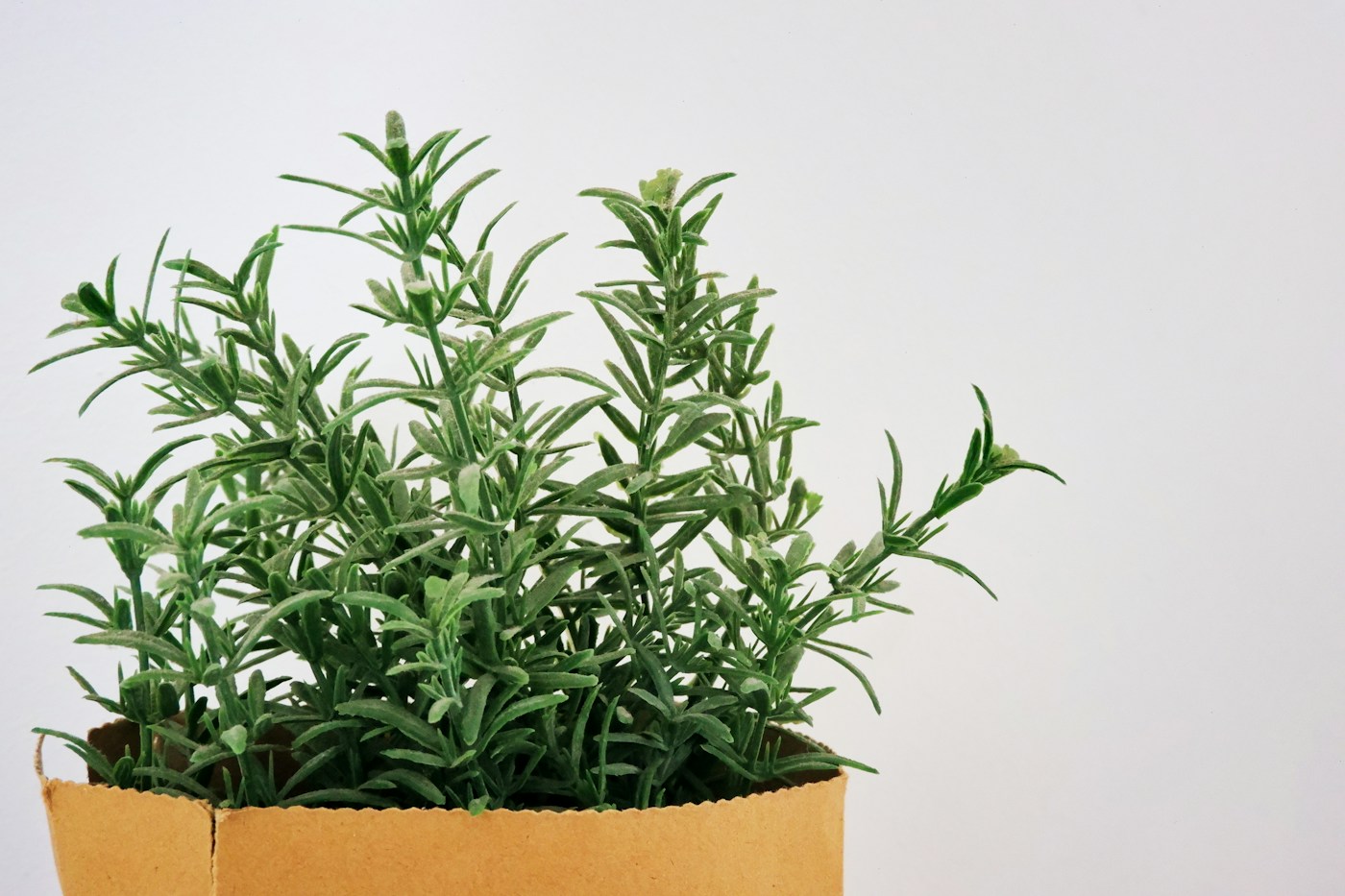
Note the date, moisture, position and action taken. Change one condition at a time where possible to interpret responses. On a balcony, consider wind and secure supports rather than leaving pots unstable. The photograph shows rosemary, but the article offers general observation principles, not a universal watering schedule. For specific care, consult horticultural guidance about the species and your circumstances.