A landscape that never truly stands still
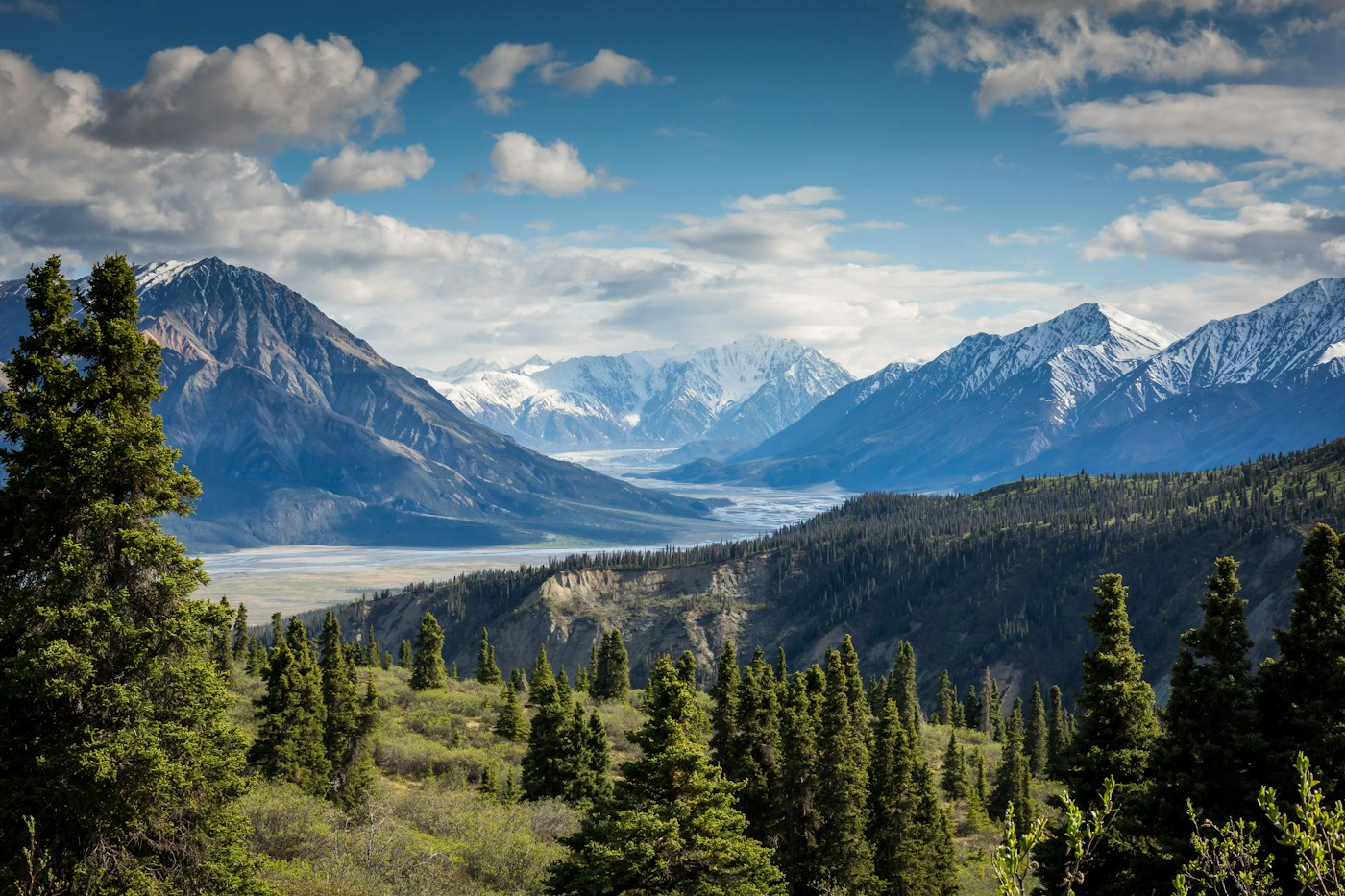
A mountain seems motionless over a human lifetime. On a geological timescale, it is the result of forces in motion. Colliding tectonic plates can compress and raise the crust, while volcanic activity can build landforms through accumulated material. Mountains do not all share the same origin, and their present shape rarely tells the whole story. After uplift, water, ice and wind keep changing the terrain. The landscape we see is a temporary balance between construction and erosion.
Altitude creates different worlds in one place
Climbing a slope can take you through different environmental conditions over just a few kilometres. Temperature generally decreases with altitude, but the direction a slope faces, wind and sunlight also matter. A sunny slope can differ considerably from a nearby shaded one. These contrasts help explain why vegetation changes during a walk. Plants thriving in a sheltered valley may not tolerate the cold, shallow soil or exposure higher up.
Water connects the summit and the valley
Rain and, in some regions, snow supply waterways linking mountains to distant places. Some water enters the ground and some flows over the surface. Vegetation and the characteristics of the terrain influence the speed of that journey. A mountain is therefore more than a photographic backdrop: it belongs to water systems supporting people, habitats and economic activities. Changes in land cover can alter how those systems function.
How to observe more during a walk
Choose a route matching your experience, check the weather forecast and respect marked paths. Watch for changing trees, waterways and differences between slopes. A wide photograph shows the landform; a close view may reveal layers, cracks and traces of erosion. Do not remove rocks or plants from protected areas. Learning to read a landscape is mainly an exercise in attention: looking for patterns, asking questions and accepting that a complete explanation may require a geological map.