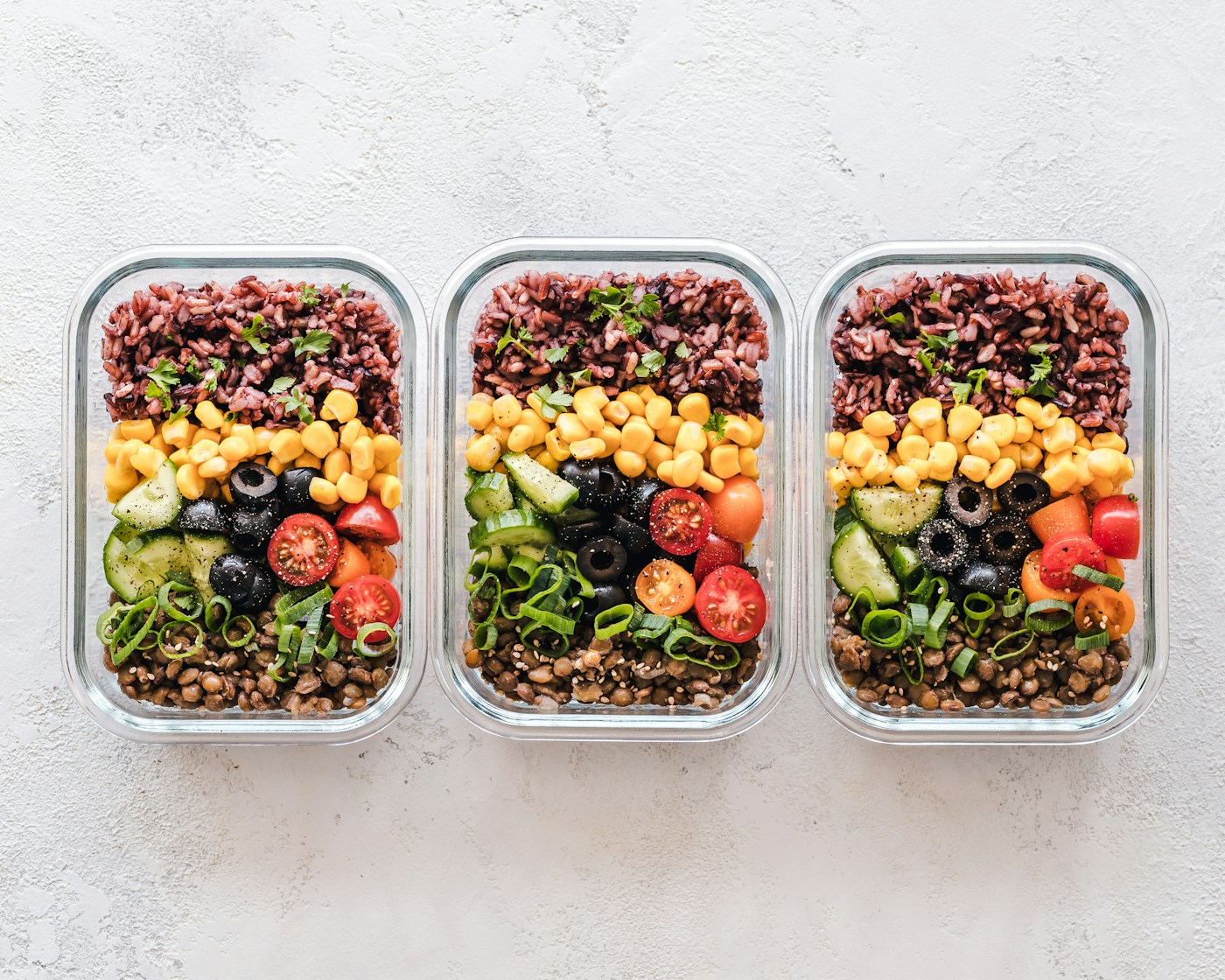
What is the main idea behind preparing meals ahead?
The easiest starting point is preparing components that can become different meals rather than assembling five identical boxes. Choose a few foods you already enjoy, decide when you will eat them and plan storage before cooking. Preparing two lunches and scheduling a second short cooking session may be enough. Meal prep does not have to mean cooking everything on Sunday, buying special containers or following a rigid menu. This guide is about making routines easier, not prescribing a diet or promising a particular saving. Start with one recurring difficulty you would like to solve.
How can you work out the number of portions?
Open your calendar and count meals you will eat at home or take to work. Subtract invitations, days off and occasions without reheating facilities. Then check your cupboard and freezer. If two people take lunch on three days, that means six portions rather than a large pan without a defined destination. Start with quantities you normally serve and observe leftovers. A small plan you can repeat teaches more about your routine than making a large batch and discarding part of it. Include containers and available fridge space in that calculation.
How do you choose components without becoming repetitive?
Think in three functions: a base giving the meal structure, a main component and vegetables or accompaniments. One adaptable example combines pasta, cooked lentils and roasted vegetables. On one day, pasta gets vegetables and sauce; on another, lentils become part of a freshly made soup. Different seasonings and accompaniments change presentation, but keep the number of preparations manageable. Check personal restrictions and packaged ingredients. Variety does not require making ten separate dishes in one session. Give each component several possible uses while retaining a clear plan for when it will be eaten.
How can a shopping list reflect the actual plan?
Write down the destination of each ingredient first. Carrots might go into roasted vegetables and soup, but total the quantity so the same stock is not promised twice. Separate purchases from items already available and check dates and conditions of opened packages. Group the list by shop section and choose simple substitutes before leaving. A similar vegetable may work where a recipe does not depend specifically on the original. Do not buy a larger pack solely for its lower unit price when the remainder has no planned use or storage arrangement.
How should you organise a cooking session?
Read the recipes and identify the longest oven or saucepan tasks. Prepare equipment, wash vegetables and keep raw ingredients separate from ready-to-eat food. Start with the longest task and use waiting time to measure or chop without leaving active cooking unattended. If still learning, run fewer preparations simultaneously. Finish by portioning food, identifying containers and cleaning the worktop. Include this closing stage in the plan: the session is not finished when the last item leaves the pan. Planning around your actual equipment helps avoid needing the same saucepan for two tasks at once.
Can five days of prepared food stay in the fridge?
Do not assume every dish can be refrigerated for five days. The Food Standards Agency guidance cited here recommends eating leftovers within 48 hours or freezing them if that is not possible. Its storage guidance specifies a fridge between 0 and 5°C and cooling cooked food for storage within one to two hours. Smaller portions help cooling. Ingredient-specific limits and package instructions matter too. The planning solution may be suitable freezing or another cooking session midway through the week, rather than extending a storage limit because it is convenient. Decide this before producing the batch.
What could a two-session week look like?
Imagine five lunches for one person with suitable storage facilities. In the first session, prepare lentils, roasted vegetables and tomato sauce. Reserve portions for the next two days and promptly freeze suitable portions intended for later use. Cook pasta in the amount required, following product instructions, rather than automatically adding it to every box.
At the midweek session, prepare fresh accompaniments and reorganise food reserved safely. One lunch might be pasta with vegetables; another a freshly made lentil soup; another a frozen portion of sauce served with a newly cooked base. This is an organisation example, not a complete nutritional menu or permission to keep prepared raw salads for several days. Adjust what you make when your calendar changes.
How should transport and reheating fit the plan?
Check whether refrigeration and reheating equipment are available at your destination. For food requiring cold storage, plan an insulated bag and maintained cold conditions during travel, appropriate to the food. Defrost according to applicable product guidance rather than improvising hours on the worktop. When reheating leftovers, the FSA advises heating thoroughly throughout and reheating only once. Remove only the portion needed. An attractive container cannot replace safe storage: packaging is part of organisation, not a guarantee by itself. Consider the journey and destination before deciding which meal to take.
How can you improve the system after the first week?
Record what was eaten, what ran out and what remained. If a flavour became tiring, a different finish may be more useful than a larger quantity. If you could not take a lunch because transport was unsuitable, fix that step before cooking more. Compare actual shopping expenditure with the food used rather than assuming all preparation automatically saves money. Leave room for calendar changes. A workable system solves real meals within the time, equipment and preferences of the people using it. Keep the parts that helped and change one troublesome step at a time.
Frequently asked questions
Do I need glass containers?
Not necessarily. Use food-safe containers suitable for their intended use, including freezing or heating where relevant. Check instructions and lid condition. Material alone does not solve storage.
Can every dish be frozen?
No. Check ingredients, product instructions and whether the preparation suits freezing. Some textures change. Do not use freezing to rescue food that has already been stored unsafely.
Does preparing ingredients count as meal prep?
Yes. Measuring, making a shopping list and preparing components can simplify meals without assembling complete boxes. Match tasks to each food’s storage needs and the time you actually have.
What about cooked rice?
Rice has specific storage guidance and should not automatically receive the same storage period as other leftovers. Consult a dedicated guide before preparing it for several days.
Must I follow the weekly example exactly?
No. It illustrates combining components and cooking sessions. Adjust quantities, preferences, restrictions and storage facilities. Seek appropriate individual guidance for clinical dietary needs.