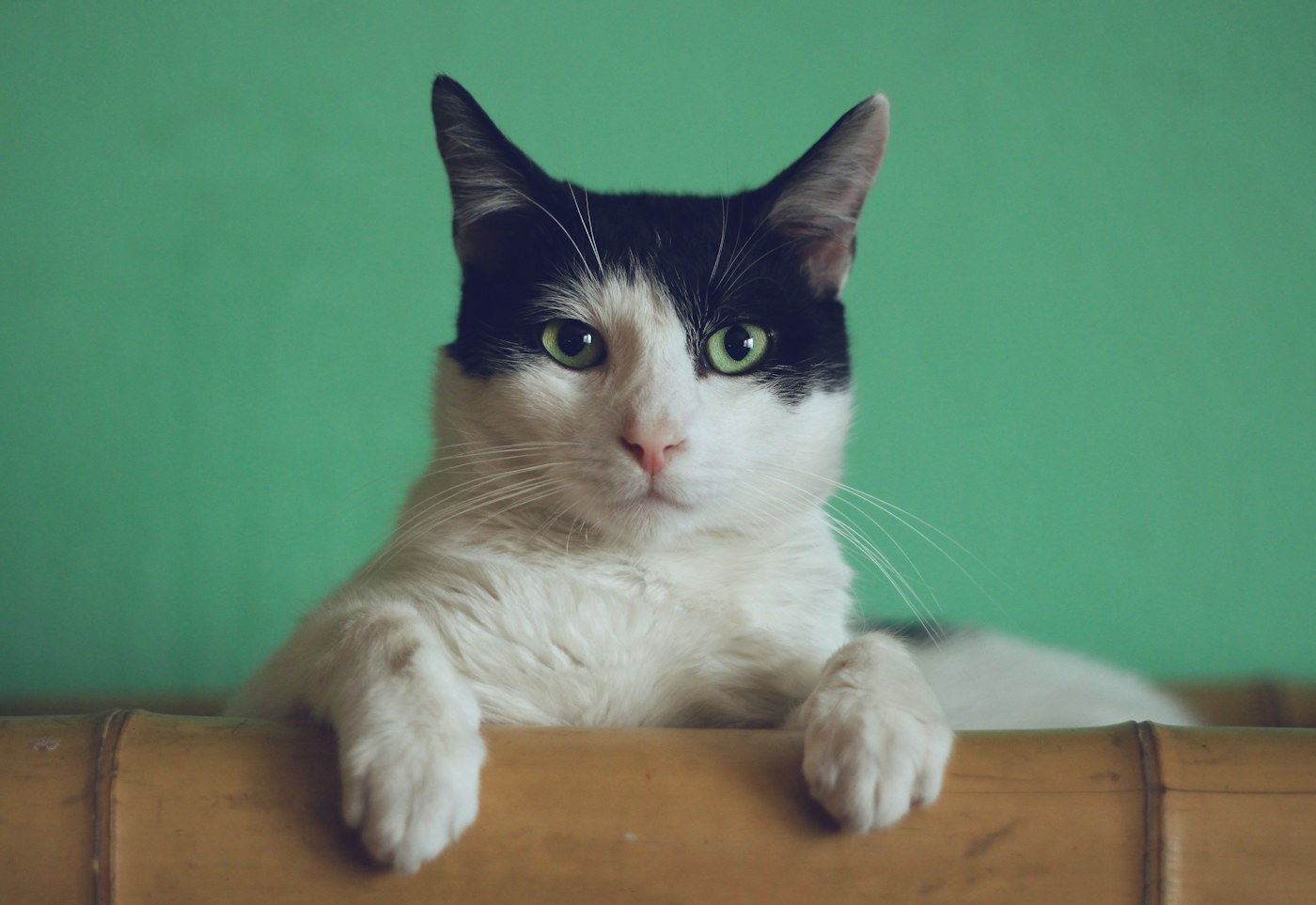
A box is more than a toy
For us, an empty box may be packaging waiting for recycling. For a cat, it can provide a defined space whose walls reduce exposure. Interest in hiding places fits protective and observational behaviour. That does not mean every cat responds in the same way. Age, temperament and surroundings influence the choice, along with the size and position of the box.
Going in and out should be a choice
A hiding place works best when the animal can decide whether to use it. Put the box somewhere quiet, away from busy walkways, and avoid picking the cat up to place it inside. An elevated position may appeal, provided it is stable and safely accessible. In a home with several animals, offer more than one retreat to reduce competition. Having the option to withdraw can be as important as joining in household life.
Prepare the box safely
Remove staples, string, handles and loose adhesive tape. Check for product residue and avoid boxes used for hazardous substances. A washable blanket may make the surface more comfortable, but notice whether the cat uses it or prefers plain cardboard. Replace material that becomes damp or badly damaged. Never close a box with the animal inside, and keep openings clear.
Watch the context rather than guessing emotions
Liking a box alone does not establish whether a cat is happy, anxious or unwell. Consider the behaviour alongside eating, activity, grooming and interaction. A sudden, persistent change, especially with other signs, deserves veterinary assessment. For daily life, provide variety: hiding places, scratching surfaces and suitable play. A box is one simple option within a richer environment, rather than a single answer to every need.