Read also: How to read a map scale without confusion ↗
Read also: How to move abroad: Portugal, Europe and the United States ↗
The two ends of the ranking
By area, Russia is the largest country in the world, covering about 17.1 million square kilometres. The smallest independent state is Vatican City, with 0.44 square kilometres inside Rome. That is 44 hectares. Divide the approximate area of Russia by the area of Vatican City and you get nearly 39 million. In theory, that is how many territories the size of Vatican City would fit into Russia’s surface area. It is a measure of space. It does not compare their populations, the number of towns they contain or their political influence.
What counts towards a country’s area?
When you read a table, look for the words ‘total area’, ‘surface area’ or ‘land area’. They do not all mean the same thing. The World Bank’s surface-area indicator includes land, inland bodies of water and some coastal waterways. A column specifically about land excludes water according to the source’s method. Countries with many lakes are a useful example: their figures can differ between tables even though none of their borders has changed. To compare places, use the same column and check the year, the definition of territory and any notes about borders.
Why does Russia cover so much ground?
Russia stretches from Eastern Europe to the Pacific, across northern Asia. The Ural Mountains are a geographical reference often used in describing the conventional divide between Europe and Asia. They are not an international border within Russia. Country rankings treat Russia as a single unit rather than putting its regions into two separate continental totals. This is why an international database can group Russia with Eastern Europe while a physical map shows a vast extent of Russian land in Asia. The sources are organising the same geography for different purposes.
How can Vatican City be a country inside Rome?
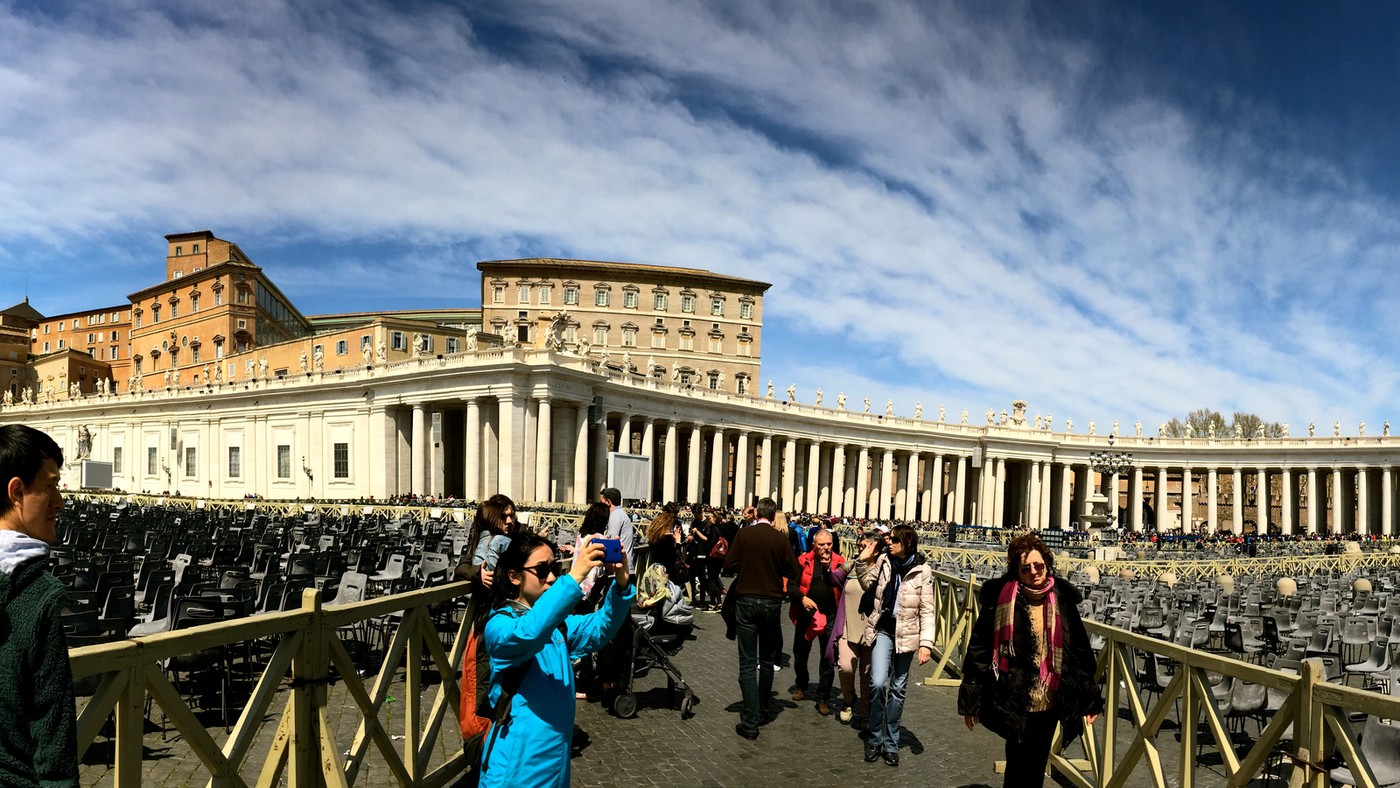
Vatican City is an enclave: Italy surrounds its territory. The Lateran Treaty, concluded in 1929 between the Holy See and Italy, established Vatican City as a sovereign state. The Holy See and Vatican City have different roles. The former is the central authority of the Catholic Church and has non-member observer state status at the United Nations. The latter is the territorial state whose surface area measures 44 hectares. The Holy See has buildings elsewhere in Rome. Their existence does not mean their area should simply be added to the territory of Vatican City.
A map can change how the comparison feels
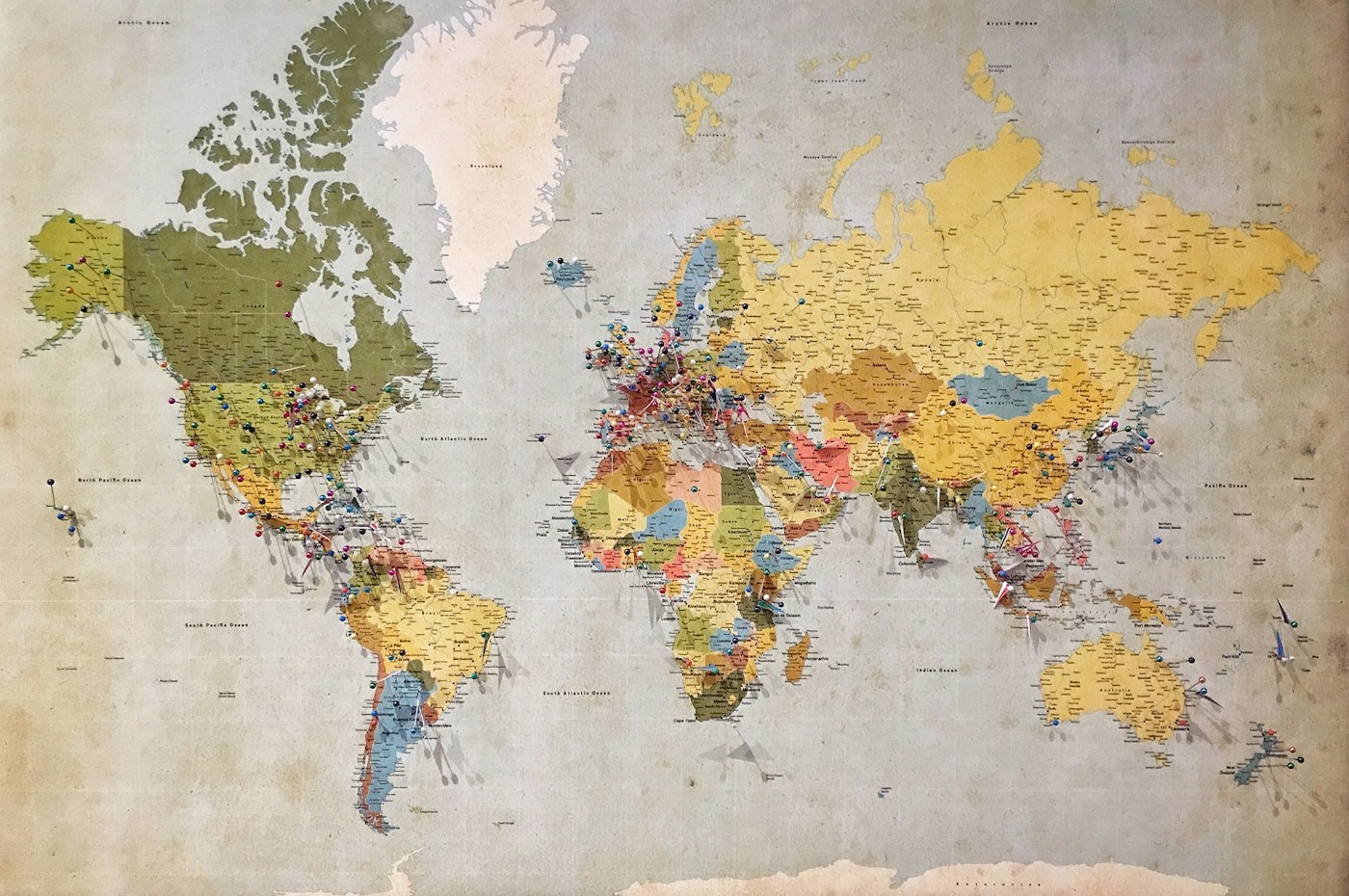
To make a flat map, cartographers have to represent a curved surface. The Mercator projection preserves directions useful for navigation, but visually enlarges areas near the poles. Because part of Russia lies at high latitudes, it can look as if it occupies an even larger share of the Earth than it really does. Vatican City, meanwhile, may be smaller than the symbol that marks it on a world map. For comparing area, prefer figures from the same source or an equal-area map. For looking at Vatican City’s streets and boundaries, switch to a city-scale map.
What if the question is about population?
Area measures space; population counts people. One country can have vast stretches with very few residents, while a smaller country contains many more people. Population density relates the two quantities, but it is an average. It cannot show where residents are actually concentrated. Before answering a question about the biggest country, check the measure. A geography quiz asking ‘by area’ points to Russia. A question about numbers of inhabitants needs a population source and a date. The two answers can change for different reasons, so the distinction matters even when a ranking looks straightforward.
Frequently asked questions
How many square metres is Vatican City?
About 440,000 m². A square kilometre is one million square metres.
Is Vatican City part of Italy?
No. It is a sovereign state within the city of Rome, surrounded by Italian territory.
Is Russia in Europe or Asia?
It spans both. A database may group it under Eastern Europe for statistical purposes without denying its Asian geography.
Can Antarctica count as one of the largest countries?
No. It is a continent, not a sovereign state. Some datasets compare continents, seas and territories as well as countries, so check the category of each entry.