A kernel with particular characteristics
Popcorn kernels have a structure that allows this transformation when heated. The water inside and the strength of the outer layer are part of the explanation. Being a cereal grain alone is not enough to produce the same result. The variety and condition of the corn influence its ability to pop. An apparently ordinary kitchen observation therefore connects a material’s properties with a change caused by heat.
Heat, pressure and expansion
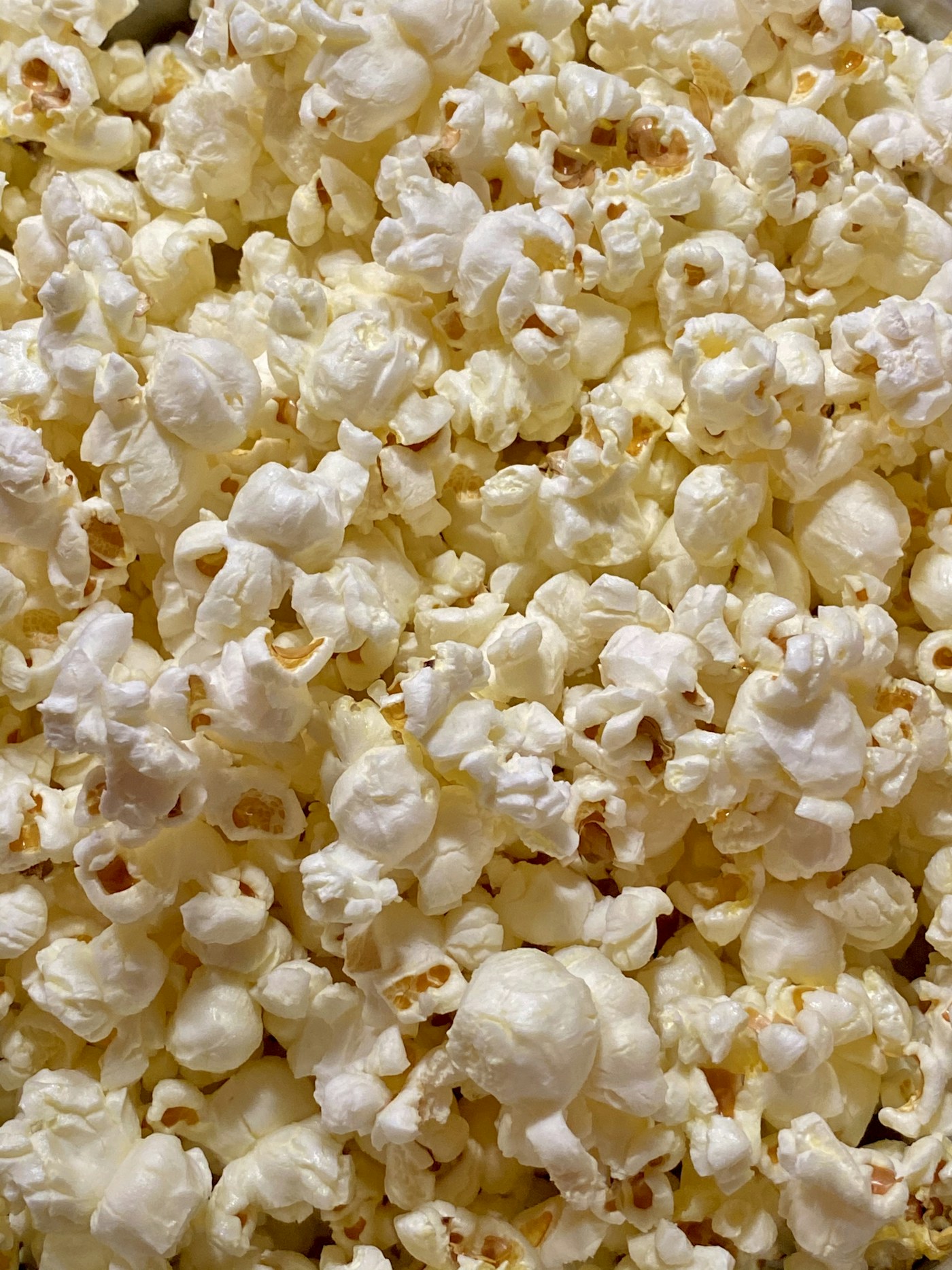
During heating, the water and starch inside change and pressure increases. When the outer layer can no longer contain it, the kernel opens and its structure expands rapidly. What we see in finished popcorn is the transformed interior, rather than foam added by oil. The amount of fat may change preparation and flavour, but it does not create the fundamental popping mechanism on its own.
Why some kernels remain closed
A pan can end up containing both popcorn and intact kernels. Moisture, the integrity of the outer layer and heat distribution may influence the result. It is not accurate to attribute every unopened kernel to the same cause without observing conditions. Heating indefinitely to open the last kernels may spoil what is already ready. Follow product and equipment instructions, and avoid opening hot containers towards your face.
Observe an activity you already do
If you regularly make popcorn, record the product, quantity and method without introducing improvised containers or pressure experiments. Compare two similar preparations on different days. The question can be simple: was heat distributed evenly? Was the corn stored in the same way? A household record does not measure every variable, but it helps distinguish a plausible hypothesis from a premature conclusion.
From a sound to a scientific question
The pop arouses curiosity because it makes a transformation very visible and audible. Draw a kernel before and after, identifying what you think changed. Then compare your explanation with material from a scientific institution. The exercise is to formulate a model, seek evidence and correct the initial idea. Kitchens offer many interesting phenomena, provided observation respects normal use and does not turn utensils into unsuitable experimental equipment.