Choose less and observe more
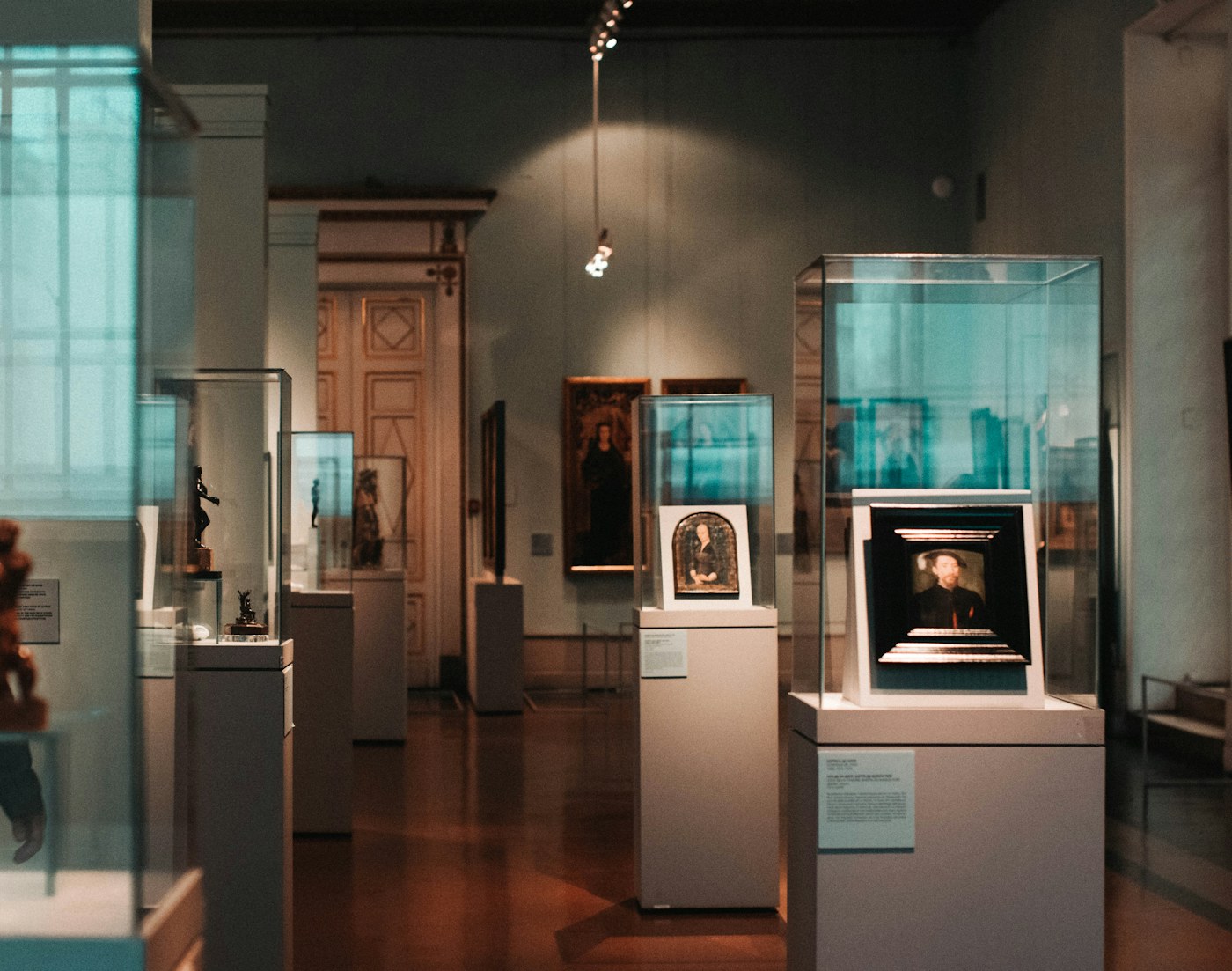
In a large museum, trying to see everything can turn a visit into a race. Choose a room or a few objects and spend time with them. Start by looking before reading the label. Which materials do you recognise? Are there signs of use, repair or missing parts? An initial observation creates questions and makes later information more meaningful. You do not need specialist knowledge to notice proportions, textures and relationships.
The label is a starting point
Maker, date, location and materials provide coordinates without answering everything. Phrases such as attributed to or approximately indicate limits to current knowledge. Those uncertainties belong to historical work. Try to distinguish documented information from interpretation. An object may have been made in one place, used elsewhere and added to a collection much later. Its journey between those moments deserves attention too.
Ask who used it and who is absent
An everyday tool may reveal techniques, trade and social organisation. A commissioned artwork can show the taste and resources of the person who paid for it. Ask who had access to the object and who helped produce it. Collections do not automatically represent every experience of a period. What survived, was collected and was displayed reflects choices and circumstances shaping the room’s account.
Continue after the visit
Keep an object’s name and consult the museum’s digital catalogue if one exists. Compare descriptions, follow references and see how research continues to change. Respect photography rules and avoid blocking circulation. If you visit with others, each person can choose an object to discuss afterwards. Comparing those choices shows how one space creates different questions and turns the visit into a conversation rather than a checklist.