What is the principle behind packing for several weeks?
Plan a set of clothes you can wear again and wash during the trip. Days away need not equal complete outfits packed. Before selecting clothes, identify climate, activities and realistic laundry opportunities. A work trip, hiking itinerary and family visit can require different solutions. This guide provides an organisation method rather than a universal list or a promise to fit every bag. Begin with what the journey actually requires rather than what a perfect packing image contains.
How can an itinerary become a useful packing list?
Divide the trip into situations: travelling, ordinary days, specific activities and any formal occasion. Write what you need to do in each. Frequent accommodation changes make carrying and repacking important, not simply storage capacity. For several climates, plan suitable combinations and layers instead of duplicating your wardrobe. Keep a simple list and distinguish confirmed requirements from vague possibilities. An item for a booked activity has a clearer purpose than one added because something unspecified might happen. Revisit the list when plans change.
How do you choose clothes that work together?
Lay out the pieces and assemble actual outfits. Bottoms that work with several tops may be more useful than an item needing its own exclusive combination. Test footwear against planned activities too; do not choose an uncomfortable pair solely because it is small. If a garment needs care you cannot provide, consider an alternative. A coherent selection is practical rather than a style rule or requirement for neutral colours. The useful test is whether your chosen pieces cover the situations you identified, not whether they match a prescribed online formula.
How many changes of clothes do you need?
Think about the interval between washes and drying time you can realistically provide. In a hypothetical three-week trip with regular laundry, twenty-one complete outfits are unnecessary. Exact quantities depend on use, weather and preference. Allow a reasonable buffer without assigning another garment to every imaginable mishap. If washing is unavailable, the plan changes. Check this before reducing luggage rather than discovering at the destination that your strategy depended on a nonexistent service. Plan for your actual habits rather than an ideal routine you have never tried.
How should objects be arranged for easy access?
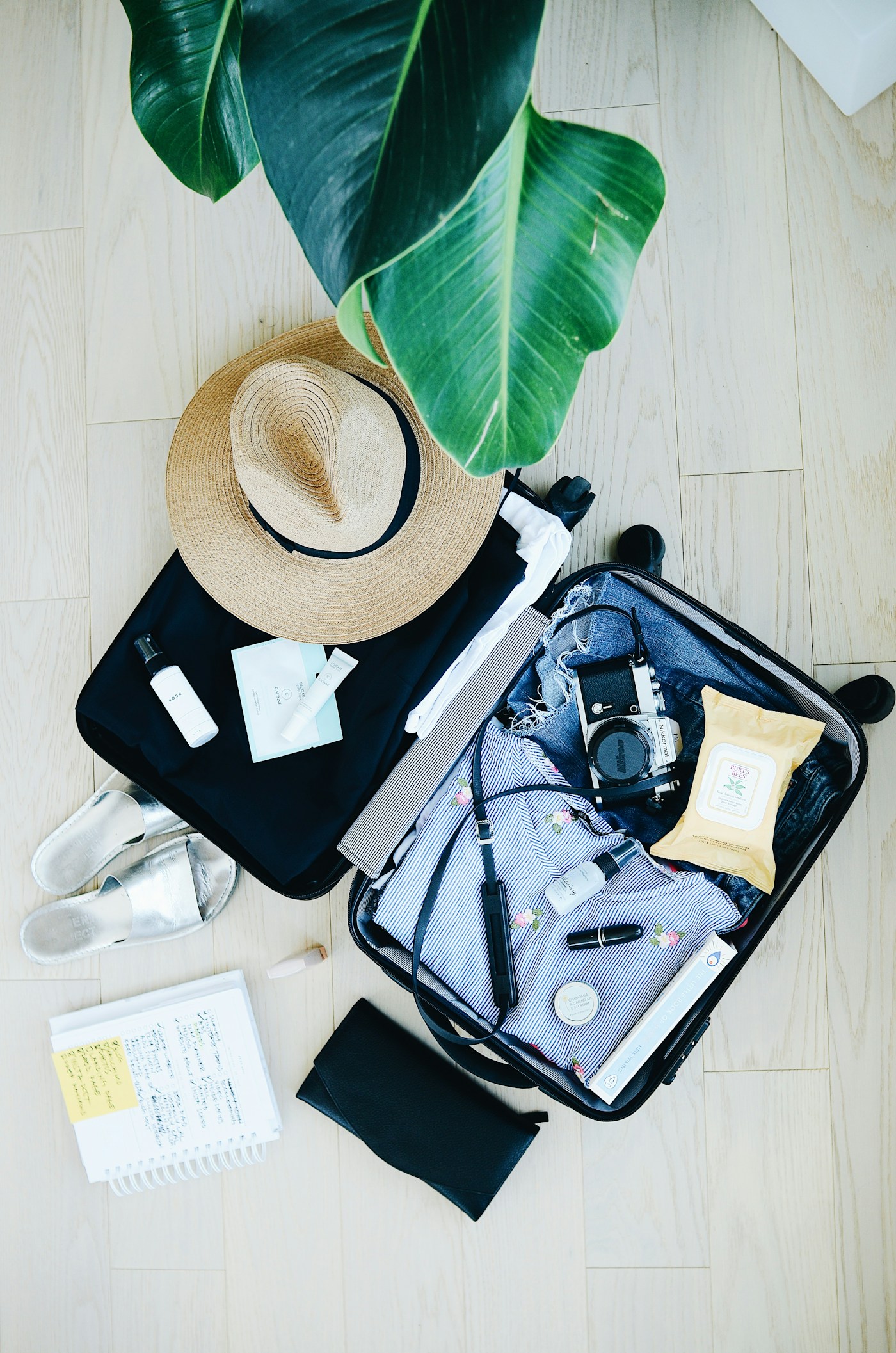
Group by function and frequency of use. What you need while travelling should be reachable without unpacking everything. If using organisers, test whether they help you find and return things; filling space with accessories is not a goal. Separate used and clean clothes appropriately and do not forget damp garments inside a closed compartment. Rehearse removing an object and putting it back. A suitcase that looks attractive when open may be awkward in a station or small room. Useful organisation survives real use rather than only a photograph.
Which baggage rules should you check?
IATA explains that airlines set baggage rules, which can vary with the product purchased and itinerary. Confirm dimensions, weight and permitted items directly for your booking, including connections. Do not assume a bag marketed as cabin luggage is accepted on every flight. For specifically restricted items, consult applicable official guidance rather than copying an old list. This article does not set universal limits: packing organisation cannot replace the rules of your chosen transport. Keep the relevant confirmation available alongside the journey details.
How can you test the finished bag?
Pack everything, close the bag without excessive force and check weight appropriately. Try handling it as planned: rolling on a smooth floor does not necessarily represent stairs or walking sections. Ensure documents and journey essentials are accessible. Then review duplicates: do two objects genuinely meet different needs? Leave flexibility for the return journey without treating spare space as a reason to fill more. The test should simulate use, not merely demonstrate that the zip will close. Adjust the list if carrying the finished bag proves impractical.
How can the next packing list be better?
After returning, mark what you used, what was missing and what travelled unnecessarily. Record failures too: slow-drying clothing, unsuitable footwear or a compartment that made things hard to find. A rarely used item was not necessarily pointless if it met an important confirmed requirement. Learn from experience rather than competing to carry the smallest possible amount. Keep the list as an adaptable starting point and recheck conditions when destination or travel style changes. Your own observations can be more useful than repeatedly replacing the list with another person’s ideal.
Frequently asked questions
Does rolling clothes always save space?
There is no single result for all fabrics and bags. Test folding and rolling your items and choose what preserves organisation and access without unreasonable compression.
Do I need a new suitcase?
Not automatically. Test your existing bag and check trip rules first. A purchase cannot resolve a list with no priorities.
Can one list cover every destination?
Use it as a starting point, adjusting climate, activities, washing and transport. Keep a trip-specific checks section.
Is less luggage always better?
No. A useful compromise carries necessities manageably. Personal requirements, specialist equipment and journey conditions may justify more.